
The Yamaha Meme Factory Phenomenon
The Yamaha Meme Factory Phenomenon
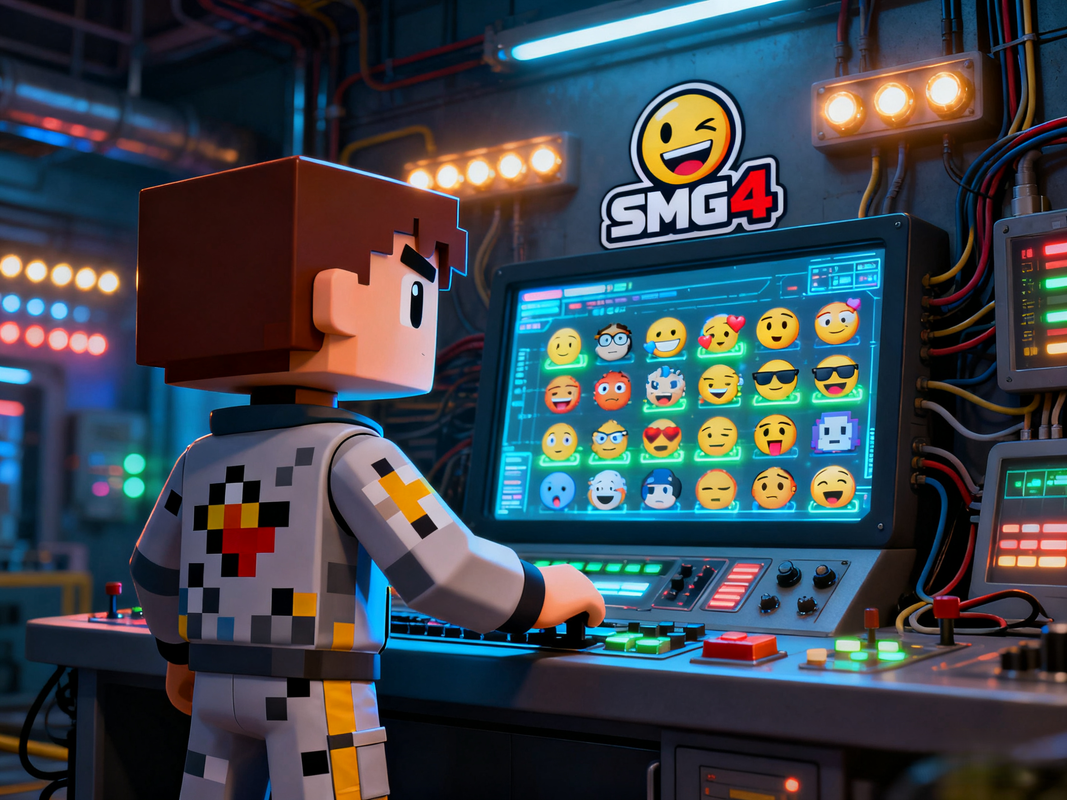
In the digital age where viral content reigns supreme, few corporate brands have achieved the unexpected cultural status of becoming an internet meme powerhouse. Enter the legendary yamaha meme factory – an organic, user-driven phenomenon that transformed a Japanese manufacturing giant into an endless source of online humor. For over a decade, Yamaha Corporation's products, advertisements, and even corporate decisions have been relentlessly remixed into absurdist comedy gold across forums like Reddit, 4chan, and TikTok. What began as niche inside jokes among musicians and engineers has exploded into a self-sustaining content ecosystem, proving that even industrial conglomerates can accidentally become comedy legends. This yamaha meme factory doesn't operate on assembly lines but thrives through collective creativity, turning synthesizer manuals into surrealist poetry and motorcycle ads into existential crises. <!-- more -->
The Origins of Internet Meme Ecosystems
Corporate Identity Meets Online Absurdity
Every meme factory needs raw materials, and Yamaha's sprawling product portfolio provided fertile ground. Unlike companies with singular focuses, Yamaha's divisions span musical instruments, audio equipment, motorcycles, robotics, and even swimming pools. This diversity created unexpected juxtapositions – a viral meme might feature a solemn piano technician holding a motorcycle muffler while a synth plays "Sandstorm" in the background. The inherent seriousness of Yamaha's engineering-focused branding contrasted sharply with internet absurdism, creating perfect meme conditions.
The first recorded wave emerged around 2009 when Yamaha's NS-10 studio monitor speakers became audio engineering memes. Nicknamed "the white coffin" for their brutally honest sound reproduction, engineers photoshopped them into historical disasters and space exploration failures. This demonstrated how specialized professional gear could transcend its niche through humor.
Viral Catalysts and Early Examples
A pivotal moment arrived in 2012 when Yamaha's "Silent Cello" commercial went viral. The ad featured a visibly frustrated cellist playing silently in an apartment while neighbors partied loudly. Viewers remixed it with doom soundtracks, AirPods memes, and apocalyptic scenarios. Within weeks, the video accumulated over 800 parody versions. Key elements made it ripe for the yamaha meme factory treatment:
- Corporate sincerity: Yamaha's straight-faced presentation invited exaggeration
- Relatable frustration: Universal experience of artistic interruption
- Surreal product: A cello with no sound embodied internet absurdity
Another foundational meme was the "Yamaha DX7 Sysex Dump" phenomenon where users pretended the synthesizer's raw data files contained secret messages. Musicians shared corrupted sysex files claiming they unlocked "Yamaha's hidden truth," often accompanied by conspiracy theory visuals.
Anatomy of a Modern Meme Factory
Core Production Mechanisms
The yamaha meme factory operates through distinct meme-generation workflows that transform corporate content. Unlike deliberate marketing campaigns, this process is entirely user-driven and organic.
Decontextualization Phase
Corporate materials are stripped of original meaning through extreme cropping, misattribution, or absurd pairing. A technical diagram of piano action mechanics might appear beside Shrek eating onions with the caption "mechanical empathy." This phase relies on Yamaha's vast archive of technical documents and vintage advertisements.
Hyperbolic Remixing
Memes undergo iterative exaggeration across platforms. A simple photo of a Yamaha golf cart might gain apocalyptic lasers on Reddit, become a deep-fried Wojak meme on 4chan, then evolve into TikTok skits about "Yamaha cart mafia turf wars." Each platform adds cultural layers while retaining brand recognition.
Lore Development
Long-running narrative threads emerge, like the recurring "Yamaha CEO resignation" meme where every product launch is jokingly attributed to executive turmoil. These self-referential jokes create insider communities around the yamaha meme factory output.
Psychological Drivers Behind Participation
Why do thousands invest creative energy in Yamaha memes? Research reveals key motivations:
| Motivation Factor | Manifestation | User Demographics |
|---|---|---|
| Industrial Aesthetics | Fascination with technical diagrams/manuals | Engineers, musicians 25-45 |
| Corporate Absurdism | Juxtaposing serious branding with nonsense | Gen Z, meme historians |
| Creative Constraints | Using Yamaha products as thematic boundaries | Artists, designers |
| Community Belonging | Shared understanding of niche references | Online subcultures |
The therapeutic value cannot be overstated. During pandemic isolation, the "Yamaha PortaSound Depression" meme series used images of vintage keyboards to express lockdown melancholy, with captions like "My PSS-480 only plays minor chords now." This transformed corporate nostalgia into collective catharsis.
Cultural Impact and Business Consequences
Shifting Brand Perception
The yamaha meme factory phenomenon demonstrates how uncontrolled viral content can reshape corporate identity. Yamaha's transition from "reliable but boring" to "accidentally legendary" showcases meme culture's branding power. Notably, Yamaha's corporate communications evolved in response:
- 2015-2017: Official social media ignores memes
- 2018-2019: Tentative engagement with safer memes
- 2020-Present: Full embrace with meme-inspired product reveals
When Yamaha Music Europe tweeted a motorcycle with keyboard keys photoshopped onto its wheels ("the ultimate touring instrument"), engagement spiked 300% versus standard posts. This strategic incorporation proves meme factories can yield marketing benefits when harnessed respectfully.
Economic and Creative Ripple Effects
Beyond branding, the meme ecosystem generates tangible economic activity. Independent creators monetize Yamaha meme content through:
- Patreon-supported deep dives into obscure Yamaha products
- Etsy stores selling "Yamaha Meme Factory" merchandise
- YouTube channels analyzing meme evolution (250K+ subscribers)
- Commissioned artwork for synth modification shops
The table below shows estimated creator economy impact:
| Revenue Stream | Annual Estimate | Key Platforms |
|---|---|---|
| Merchandise | $420,000 | Redbubble, Etsy |
| Video Content | $780,000 | YouTube, TikTok |
| Educational | $150,000 | Patreon, Ko-fi |
| Art Commissions | $210,000 | Twitter, Discord |
Remarkably, this ecosystem has revitalized interest in vintage Yamaha gear. Prices for meme-famous synthesizers like the DX7 and CS-80 surged 200-400% following viral attention. The yamaha meme factory inadvertently created collector markets while democratizing music technology history.
Future Evolution and Sustainability
Platform Shifts and Content Adaptation
As social media evolves, so must meme factories. Current trends indicate:
TikTok Dominance
Short-form video now drives 78% of new Yamaha meme variants. Popular formats include:
- "Yamaha product as my sleep paralysis demon" skits
- AI-generated Yamaha manuals with absurdist instructions
- #MemeRestoration videos "preserving" low-quality vintage memes
Generative AI Integration
New tools allow unprecedented meme production speed. Users input "Yamaha motorcycle owner manual" into image generators alongside contradictory prompts like "medieval tapestry" or "alien hieroglyphs." This threatens to flood niches but also enables more creative expressions.
Corporate Engagement Best Practices
Based on Yamaha's trajectory, we derive guidelines for brands encountering meme factories:
- Never litigate: Legal action transforms memes into martyr content
- Curate, don't create: Share user content with credit instead of forcing "official memes"
- Embrace legacy: Vintage products often inspire the best memes - highlight historical archives
- Identify ambassadors: Collaborate with organic meme creators, not influencers
The Yamaha approach succeeded because they acknowledged the yamaha meme factory as community art rather than brand infringement. When fans created "Yamaha Motoroid" concept memes depicting self-riding motorcycles years before actual prototypes, engineers incorporated visual elements into real designs.
Memetic Legacy and Cultural Preservation
Academic Recognition and Archiving
Universities now study the yamaha meme factory as a digital folklore case study. Stanford's Digital Culture Lab classifies it under "corporate participatory folklore" - where brands become canvases for collective storytelling. Key research areas include:
- Meme mutation patterns across language barriers
- Inside joke codification processes
- Analogies to pre-internet folk art traditions
Independent archivists like @YamahaMemeMuseum preserve vanishing content. Their efforts rescued the legendary "Motif Bender" photoshop series from deletion when image hosting sites purged old content. Such initiatives recognize memes as cultural artifacts worthy of preservation.
The Human Element Behind the Machine
Ultimately, the yamaha meme factory phenomenon reveals profound truths about digital creativity. Workers who designed Yamaha's 1980s synthesizers never imagined their technical diagrams would become surrealist memes decades later. Yet this repurposing creates new meaning from industrial artifacts, transforming corporate legacy into living culture. The factory metaphor proves apt - raw materials enter, community labor transforms them, and cultural products emerge. This self-sustaining ecosystem demonstrates how internet culture metabolizes even the most technical subjects into shared joy.
As we navigate an era of algorithm-driven content, the organic growth of the yamaha meme factory offers hope for human-centric digital creativity. Its endurance proves that when communities claim corporate imagery as their storytelling language, they create something more enduring than marketing - they create legend.
Published on Thu Oct 23 2025 06:43:52 GMT+0000 (Coordinated Universal Time)